Steps to Take After a Storm Damages Your Trees
Assessing the situation safely after a storm
When a storm passes through, the first instinct is often to step outside and see what happened. That is understandable, but safety should come before anything else. Downed power lines, broken branches that are still hanging overhead, and unstable ground all create hazards that are not always obvious at first glance. Before you go near any damaged tree, take a moment to look around from a safe distance. If you see any wires that have come down, treat them as live and stay far away. Call the utility company to report them. Do not touch the wire and do not walk under any branch that is resting on a wire.
Once you are sure there is no immediate danger from power lines or other utilities, you can start to evaluate the trees on your property. Look for cracks in the trunk, exposed roots, and branches that are split but still attached. A tree that has shifted in the ground or shows a lean it did not have before the storm is a serious concern. It may look stable, but the root system could be damaged enough that the tree could fall without warning. In cases like that, it is best to keep people and pets away from the area until a professional can take a closer look.
What storm damage cleanup involves
Storm damage cleanup is more than just dragging branches to the curb. It means removing debris that could cause further harm, stabilizing trees that can be saved, and taking out trees that are too dangerous to leave standing. Every storm is different, and the type of damage depends on wind speed, rain, hail, and even the time of year. A tree that is fully leafed out catches more wind and is more likely to lose large limbs or snap at the trunk. A tree that is dormant may bend under the weight of ice or wet snow.
The cleanup process usually starts with the most urgent tasks: clearing driveways, walkways, and roads so emergency vehicles can pass and so you can move around your property. After that, the focus shifts to removing hanging branches and other hazards. Then comes the slower work of cutting up fallen timber, grinding stumps if needed, and hauling everything away. For homeowners, the physical work can be exhausting and risky, especially when ladders and chainsaws are involved. That is why many people choose to call a professional tree service for the heavy lifting.
If you are looking for help in Jasper or Pickens County, Georgia, you can find information about local storm damage cleanup services at jaspertreeremoval.com. That site covers residential and light commercial tree work, including emergency storm response. It is a good starting point to understand what options are available in your area.
When to call a professional for storm damage cleanup
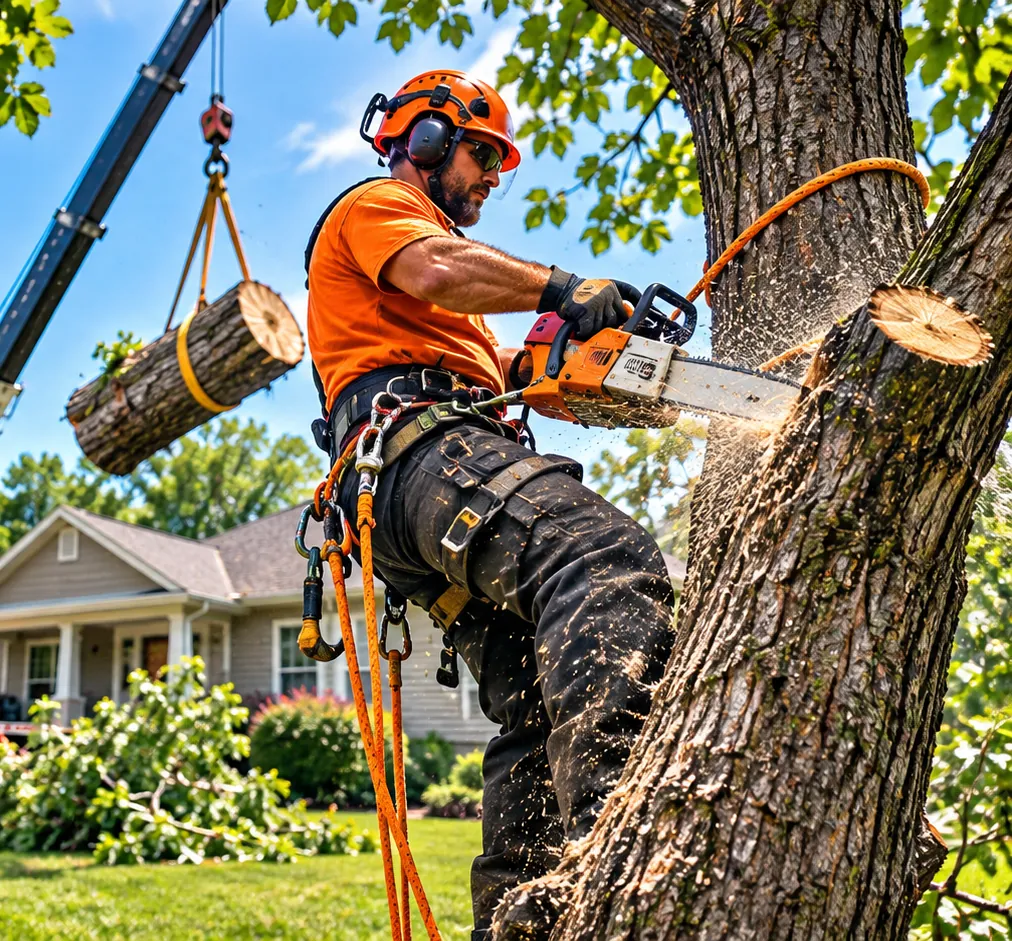
Not every downed branch needs a professional. If a small limb has fallen and you can safely move it without climbing or using a chainsaw, you can handle it yourself. But there are clear situations where a professional is the right choice. Any time a tree is leaning against a structure, such as a house, garage, or fence, the forces involved are tricky. Removing that tree without causing more damage takes experience and the right equipment. Similarly, if a tree has cracked high up in the canopy, the broken part may be wedged in place and could come down unexpectedly as you work.
Another sign that you need help is when the tree is near a power line, even if the line is not touching the ground. Utility companies handle wires that go from pole to pole, but the line from the pole to your house is often the homeowner’s responsibility. A tree service that works near power lines will have the training and insulated tools to stay safe. They will also know how to coordinate with the utility company if the line needs to be disconnected temporarily.
Large trees that have fallen but are still partially rooted also call for professional judgment. The tension and compression in the wood can make cutting unpredictable. A chainsaw kickback or a branch that springs loose can cause serious injury. Professionals use rigging techniques to control the fall of each piece, which reduces the risk to people and property.
What to look for in a tree service for storm cleanup
Not every company that offers tree work has the same level of experience with storm damage. When you are choosing someone to help, ask about their approach to emergency situations. A good tree service will be able to respond quickly, but they should also take time to explain what they plan to do and why. They should be willing to walk the property with you and point out the hazards they see.
Insurance is another important factor. A reputable company will carry liability insurance and workers’ compensation. You can ask for proof of insurance before work begins. This protects you if something goes wrong during the cleanup. It is also worth asking whether they have experience with the specific type of tree on your property. Different species behave differently when damaged. A pine that has snapped off at the trunk, for example, is a different challenge than a hardwood that has been uprooted.
Jasper Tree Removal, for instance, focuses on residential and light commercial work in Jasper and Pickens County. They handle storm cleanup along with other tree services. When you look into a company, consider whether they are local and familiar with the common tree species and weather patterns in your area. Local knowledge can make a difference in how efficiently the cleanup goes.
Preparing for future storms
Once the immediate cleanup is done, it is natural to think about how to prevent the same kind of damage next time. Some storm damage is unavoidable, but regular tree maintenance can reduce the risks. Dead or weak branches are more likely to break in high wind. Having them pruned out on a regular schedule keeps the tree healthier and removes potential projectiles before a storm hits.
Tree health is also a factor. A tree that is stressed by disease, drought, or poor soil is more likely to fail in a storm. If you have a tree that has been declining for a while, it may be worth having an arborist evaluate it before the next severe weather arrives. In some cases, removing a weak tree proactively is safer than waiting for it to fall.
Another thing to check is the structure of the tree. Trees with multiple trunks or narrow crotch angles are more prone to splitting. A professional can sometimes reduce the risk by installing cables or braces, but not every tree is a good candidate. An honest assessment from someone who knows trees will tell you whether a tree is worth trying to save or whether it is better to take it down now rather than later.
Final thoughts on storm damage cleanup
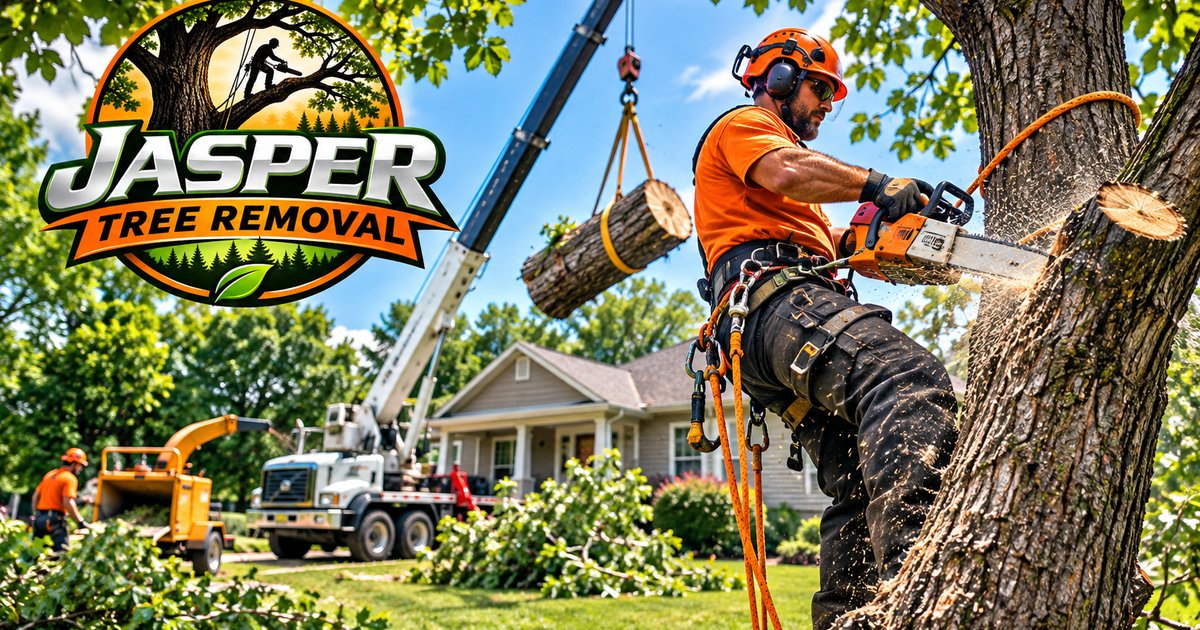
Cleaning up after a storm is stressful and physically demanding. The key is to move slowly, think about safety first, and know when to step back and let a professional take over. Trees add a lot of value to a property, but they also carry risk when they are damaged. By approaching the cleanup methodically and getting the right help when you need it, you can restore your yard without putting yourself or others in danger.
If you are in Jasper or Pickens County and need storm damage cleanup, you can find more information at jaspertreeremoval.com. Whether you need a single branch removed or a full lot clearing after a big storm, understanding what the process involves will help you make informed decisions. Take your time, stay safe, and let the experts handle the parts of the job that are beyond what you can do alone.
Jasper Tree Removal on social media
 Twitter
 Instagram
 YouTube